Have you ever used Waze and it took you through a dark alley? How about Going through an Area you would rather avoid? Comfort settings could easily change that
Overview
Waze is a great app that helps us find our way quickly and efficiently. However if apps like spotify can learn our likes and dislikes, why can’t we teach Waze what routes we prefer, and what we would like to avoid? Here is an add on to Waze existing system that should easily help us avoid what we don’t like.
What are we trying to solve?
Trust. We as user trust Waze to take us to where we want to go, but that trust is undermined when the journey to that destination is nerve wraking. Even if we trust that Waze can direct us, we don’t trust Waze to provide us with a comfortable route, just the quickness one.
Research
I conducted interviews with both colleagues and friends and researched the matter online in order to find the basic elements that make us anxious during drives. I thought I would have a vast variety of outside forces that effect our driving anxiety, but for the most part the answers were the same, they had to do with the type of road and area you drove through.
However, going through those uncomfortable streets was usually a good way to cut out traffic lights and shorten your drive, which is the main purpose of Waze.
So how do we use Waze in a way that both gets us to our destination quickly, and takes into account our driving preferences?
Solution, Comfort Settings
If we are able to give the users more control of their ride, we can give them not only the most direct route but also a good experience that will leave them with full trust in the app. However we must not forget that Waze was designed to bring you to your destination using the fastest route. So if a user prefers to drive in comfort, how much longer is he willing to make the ride? We can address these problems in two parts.
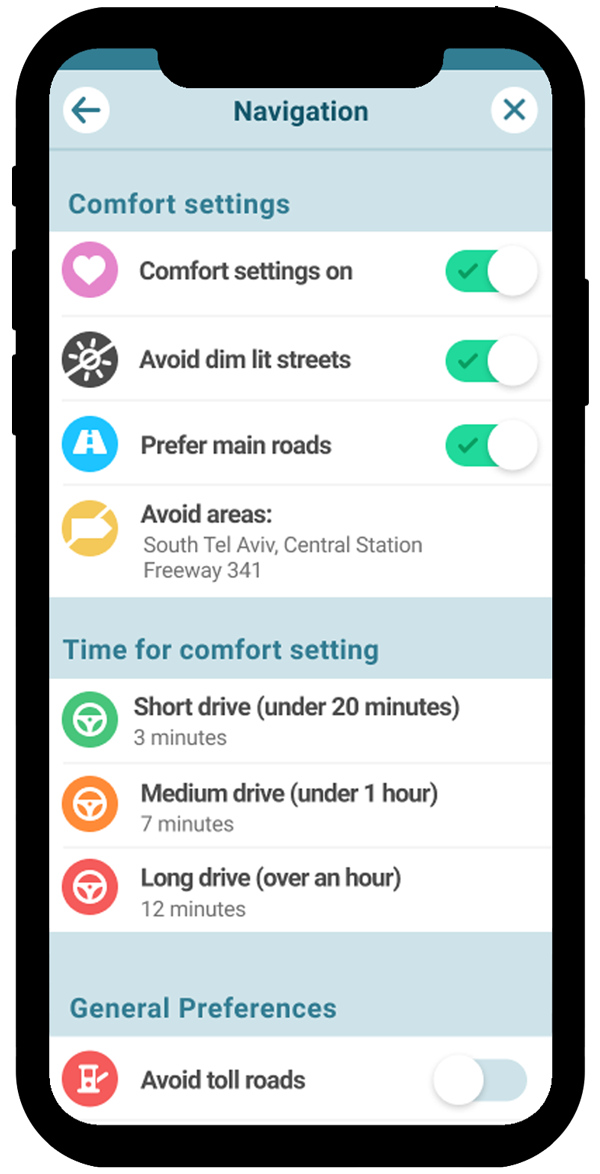
1. Turn on your Comfort Settings
Dark streets
Many of the people I interviewed, especially women, expressed their discomfort with driving in dark streets. While they logically knew Waze was directing them through the shortest route, they felt anxious that something might happen. They also mentioned that if their car happened to break down in such a place their anxiety level would skyrocket.
Main Roads
Driving on the freeways didn’t seem to raise any issues (other then toll roads that Waze already addressed). However driving through multiple small streets in order to avoid a traffic light was a concern. Drivers, with larger cars especially said that since they had to drive considerably slower, it didn’t really save time and could be stressful.
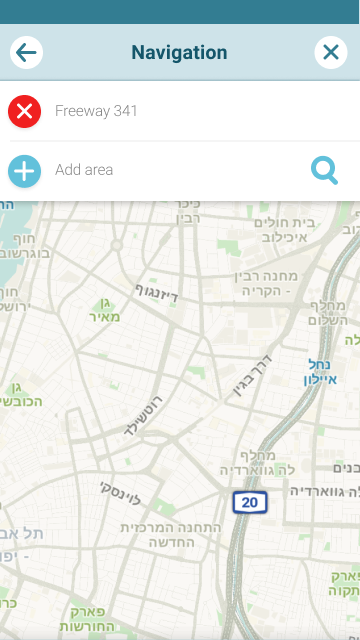
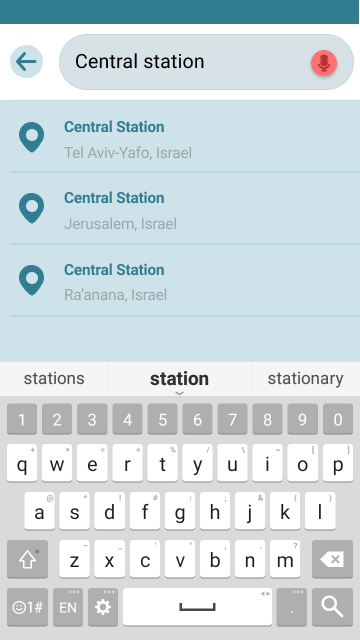
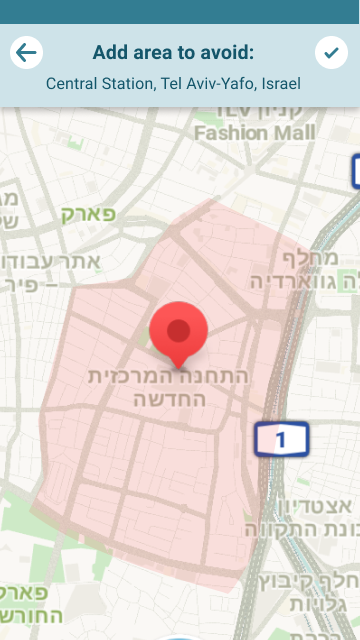
Avoiding Areas
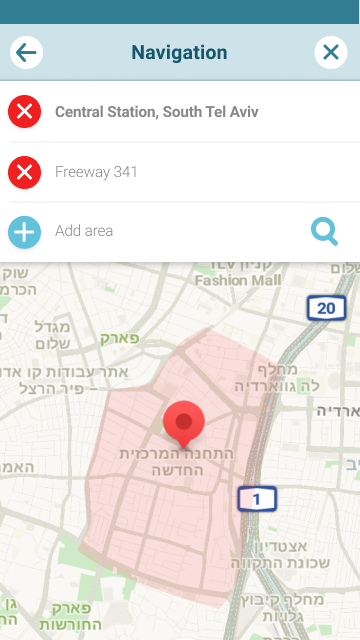
The first thing most of the interviewers brought up were areas they would like to avoid when driving, such as the settlements, villages and certain rough areas within the city. Most of the people I interviewed preferred to drive longer in order to avoid these areas, within moderation of course.
2. Set your time
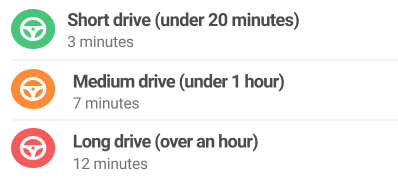
So if a user prefers to drive in comfort, how much longer is he willing to make the ride? I provided three options, for three different driving time which the user can adjust according to their need.
For example: If I am driving for less than 20 minutes, I don’t want to deviate from the shortest route by more than 3 minutes. If I have a longer drive time I may be willing to give more of my time, depending on the drive.
By giving the user this option (that can also be easily turned off and on) the user feels much more in control of his drive, and therefore trust in Waze that much more.